

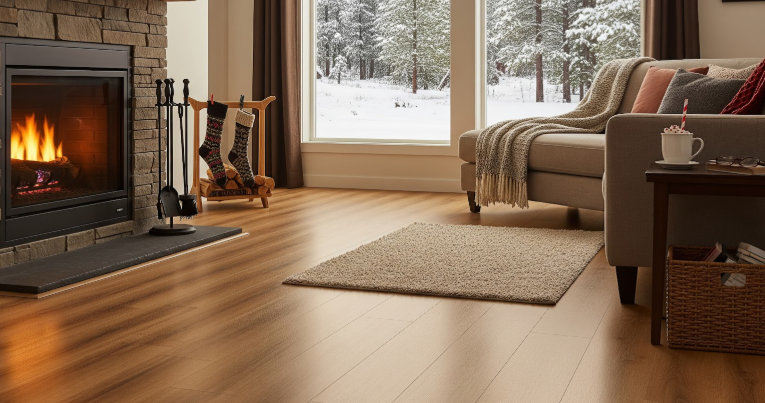
Why Winter Performance Matters in Grass Valley Homes
Cold winters in Grass Valley can be beautiful—quiet mornings, crisp air, and the kind of weather that makes you want to settle into a cozy home. But for homeowners, those colder months also come with practical concerns, especially when it comes to flooring. Wood-based floors can react to temperature shifts and dry indoor air, and many households start to wonder if their floors will hold up well through the season.
That’s where laminate flooring comes into the conversation. Laminate has earned a strong reputation for reliable, attractive performance in winter conditions, and it’s increasingly popular among Grass Valley residents looking for durable, stylish upgrades. Early in the research process, many homeowners turn to trusted local professionals like Premier Flooring Center to understand what type of floors will not only look beautiful but will also remain stable and easy to maintain during cold weather.
Grass Valley’s winters bring chilly nights, periods of rain, and indoor heating cycles. Those conditions can cause natural materials to respond in subtle ways, and floors experience everything from minor expansion to surface wear. When choosing the right flooring for a winter-ready home, it helps to understand why laminate performs so well. Laminate’s layered construction, surface durability, and season-friendly characteristics make it one of the most dependable choices for families, busy households, and anyone who wants a floor that stays attractive and functional through the colder season.
This article breaks down how laminate flooring handles winter conditions, what homeowners can expect, and why it continues to be a dependable solution throughout Grass Valley.
How Laminate Flooring Responds to Cold Weather
Laminate flooring performs remarkably well in colder temperatures because of the way it's engineered. Each plank is built from several layers designed to work together for strength, stability, and long-term beauty. The top layer is a durable wear coat that helps protect the floor from scratches, scuffs, and everyday winter wear. Beneath that sits a decorative layer that mimics the look of hardwood—whether a homeowner prefers a warm oak, a rustic hickory, or a rich walnut tone.
The core layer is where laminate shines in winter. This high-density board offers excellent resistance to temperature changes, which is particularly helpful when cold nights shift into heated indoor environments. This core helps reduce seasonal movement, meaning the flooring is less likely to react dramatically when moisture levels drop or when a heater runs for long periods.
The backing layer adds additional stability and protects the underside of the plank. All these layers combined allow laminate flooring to stay balanced and durable even when Grass Valley winters bring fluctuating conditions. Homeowners appreciate how laminate holds its shape, stays beautiful, and requires minimal upkeep throughout the season.
Another advantage is its resistance to winter-related surface wear. The tough, protective top coat is designed to handle increased foot traffic, small amounts of moisture, and scratches from things like boots, kids’ toys, or pets coming in from outside. Compared to other materials that may show wear more quickly in colder months, laminate’s durability makes it a winter-friendly choice that keeps your home looking polished.
Because laminate is made to manage these seasonal changes, it brings confidence and peace of mind—especially for families who want a combination of warmth, comfort, and long-term value.
Temperature Changes and Gapping: What Homeowners Should Know
One of the most common winter concerns homeowners have with any wood-based floor is whether the planks will gap. When temperatures drop and indoor heating dries the air, natural materials can contract slightly. However, laminate flooring is engineered to reduce noticeable movement, making it a reliable choice for Grass Valley winters.
Gapping tends to happen when flooring expands or contracts more than expected. With laminate, the density of the core helps minimize these shifts. Most high-quality laminate floors are designed to maintain stability when air becomes drier, so homeowners rarely see dramatic spacing issues during colder weather.
Proper installation plays a major role, too. Flooring professionals use expansion gaps at the edges of the room, allowing laminate to respond naturally without creating visible separation. Experienced teams know how to prepare the subfloor, manage moisture, and ensure that planks are correctly locked in place, which all help prevent unnecessary movement when winter hits.
Acclimation also helps with seasonal stability. Before installation, planks spend time in the home environment so they can adjust to the room’s temperature and humidity. This step reduces the chance of movement once the flooring is installed and winter weather arrives.
While minor contraction during especially cold weeks is normal, well-installed laminate flooring rarely shows large gaps or problem areas. Homeowners can feel confident that their floors will stay visually seamless and structurally sound, even on days when outdoor temperatures dip to their lowest.
Overall, laminate flooring provides dependable stability in seasonal climates like Grass Valley, offering a smooth, consistent look no matter how often the heater runs or how low the temperature drops outside.
Moisture Resistance in Winter Months
Winter in Grass Valley often brings rain, wet driveways, and entryways that collect moisture from shoes, jackets, and pets. That’s where laminate flooring’s moisture resistance becomes especially useful. While laminate isn’t designed for standing water, it does handle small amounts of winter moisture far better than traditional hardwood.
The wear layer on laminate flooring acts as a protective surface barrier. It helps repel minor spills, wet footprints, and occasional splashes that might happen in busy homes during winter. This surface protection allows homeowners to clean up winter messes quickly without worrying about immediate damage.
Another winter advantage is that laminate tends to resist surface swelling better than natural hardwood. Although it’s not waterproof unless you select a waterproof-rated product, it does offer solid resilience in rooms where moisture is present but not constant—such as living rooms, bedrooms, hallways, and even kitchens, depending on the product.
Underlayment also improves winter performance. Quality underlayment adds support and can help create a smoother transition between moisture levels in the subfloor and the laminate itself. In winter, when concrete slabs may feel cold or hold slight moisture, underlayment can add a layer of protection and comfort.
For families who anticipate heavier winter moisture—entryways with wet boots, laundry rooms with drips, or active households with pets—waterproof laminate options are an excellent upgrade. They offer the same beauty and durability as traditional laminate but with significantly increased spill protection.
Overall, laminate flooring’s combination of moisture resistance, durability, and low maintenance makes it a compelling choice for Grass Valley homes looking for practical elegance during wet winter months.
Keeping Laminate Floors Comfortable on Cold Days
Although laminate flooring remains stable in winter, homeowners sometimes wonder how it feels underfoot during cold weather. Laminate generally stays comfortable year-round, but like most flooring materials, it can feel cooler when outdoor temperatures drop. Fortunately, there are simple ways to improve warmth and comfort.
Underlayment is one of the best solutions. A high-quality underlayment adds insulation, helping floors feel more comfortable during colder days. It also provides sound reduction and a softer feel, making walking across laminate more pleasant no matter the season.
Area rugs are another easy way to add warmth. Placing rugs in high-use rooms—living rooms, bedrooms, or hallways—creates cozy foundation points without limiting the beauty of your floors. Rugs help retain warmth, add a layer of softness, and bring color or texture into the space.
Laminate flooring is also compatible with radiant heating systems in many cases. Radiant heat provides consistent warmth throughout the room without creating hot spots or drafty areas. When paired with laminate, it offers a comfortable and energy-efficient solution for winter comfort.
This mid-point in the homeowner journey is also where many people begin researching flooring options more deeply. If you're exploring different styles or performance levels, browsing a curated selection of laminate flooring can help you compare options that offer both beauty and winter-friendly comfort.
Between the design versatility, affordability, and comfort-enhancing options, laminate flooring continues to be a welcoming and practical choice for Grass Valley homes during winter months.
Winter Maintenance Tips for Laminate Floors in Grass Valley
Winter brings plenty of seasonal changes that can affect how homeowners care for their laminate floors, but upkeep remains simple and stress-free. Laminate is known for its low-maintenance nature, and even during the wetter, colder months, it only requires a few easy habits to stay in excellent condition.
Entry mats are a smart investment. Placing mats at exterior doors helps catch water, dirt, small rocks, and debris before they reach the flooring surface. This protects the finish, keeps the home cleaner, and reduces the risk of scuffs.
Maintaining consistent indoor humidity during winter also helps laminate floors feel and perform their best. Running heating systems can dry out air quickly, so using a humidifier in colder months keeps humidity balanced and reduces the chance of minor contraction. Comfortable indoor humidity benefits both your floors and your overall home comfort.
Sweeping or vacuuming regularly prevents winter grit from building up. Wet or muddy spots should be wiped promptly, and cleaners designed for laminate flooring work well for deeper cleaning. Since the protective wear layer is already built to handle everyday use, most winter maintenance involves simple, common-sense habits rather than complicated or time-intensive routines.
Furniture pads also help during winter months, especially when households rearrange seating or bring in seasonal décor. Keeping felt pads on furniture legs protects the surface while maintaining the smooth, attractive look that homeowners love.
These basic winter tips help laminate flooring stay beautiful, durable, and comfortable all season long.
When Laminate Is the Best Choice for Winter-Ready Homes
Laminate flooring brings a combination of strength, style, and comfort that makes it a dependable option for homes preparing for or living through winter. For many Grass Valley families, laminate is an excellent match for busy lifestyles because it handles increased foot traffic, minor winter debris, and daily wear without losing its charm.
Active households benefit from the durability of laminate’s protective top layer, which holds up beautifully even when winter weather brings in muddy boots or energetic pets. Laminate is also ideal for homeowners who want a warm, welcoming aesthetic without the higher maintenance that some natural materials require during colder months.
Homes with kids appreciate laminate’s resilience and ease of cleaning, especially when the winter routine gets busy. It also fits well into a wide range of interior styles—from rustic Sierra-inspired themes to modern, minimalist spaces—making it a flexible and stylish foundation for seasonal updates.
Laminate flooring is particularly attractive for families looking for a smart, cost-effective solution that still feels polished and long-lasting. Whether you're updating a single room or refreshing your entire home, laminate provides a winter-friendly blend of beauty, comfort, and stability.
Work With a Local Team Who Knows California Winters
Grass Valley homeowners often prefer working with a team that understands local conditions, and that’s exactly what you get with Premier Flooring Center. Their long history in Nevada County, employee-owned commitment, and strong community values make them a trusted partner for winter-ready flooring.
Their knowledgeable team helps homeowners choose laminate options that fit both lifestyle and winter performance needs. From the first conversation to the final installation, they focus on creating a guided, positive experience that brings out the best in your home. When winter temperatures drop, having floors that stay durable, beautiful, and easy to maintain makes a real difference—and the right product selection helps ensure that outcome.
Whenever you're ready to explore flooring options or compare winter-friendly materials, feel free to get in touch with a team that prioritizes personalized service, long-term durability, and quality results for every project.


