

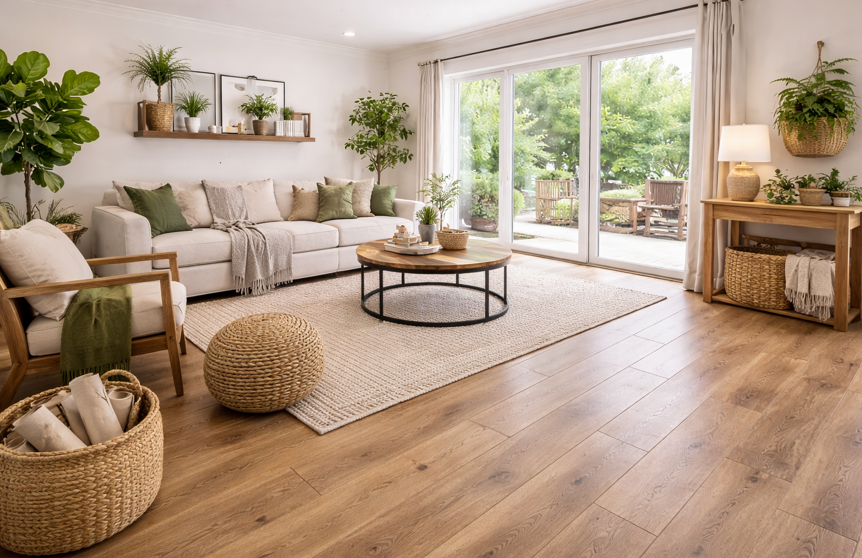
Why Sustainability Matters for Flooring in Nevada County Homes
Living in and around Grass Valley and Nevada City means being surrounded by natural beauty—towering trees, open landscapes, and a strong connection to the outdoors. It’s no surprise that many homeowners in Nevada County are thinking more carefully about the materials they bring into their homes, especially when it comes to long-term upgrades like flooring.
Flooring covers a large portion of your home, which means it plays a big role in both design and environmental impact. The materials used, how they’re made, and how long they last all contribute to their overall sustainability. Choosing the right flooring isn’t just about appearance—it’s about making a smart, lasting decision for your home and the environment.
Laminate flooring is often part of this conversation. Homeowners frequently ask whether it’s an eco-friendly option or if it falls short compared to more traditional materials. The answer isn’t black and white, and that’s exactly why it’s worth exploring in detail.
At Premier Flooring Center, homeowners can explore a wide range of flooring options with guidance from a knowledgeable, employee-owned team that understands both design and sustainability. With the right information, it becomes much easier to choose flooring that aligns with your values while still delivering the look and performance you want.
What Laminate Flooring Is Made Of (And Why It Matters)
To understand whether laminate flooring is sustainable, it helps to first look at what it’s made of. Laminate is an engineered product made up of multiple layers, each designed to serve a specific purpose.
Core Layers Explained
Most laminate flooring includes four main layers:
A wear layer that protects against scratches and daily wear
A design layer that gives the flooring its realistic wood appearance
A high-density core made from compressed wood fibres
A backing layer that adds stability and support
This layered construction allows laminate to deliver the look of natural wood while using fewer raw hardwood materials. Instead of cutting large sections of solid wood, manufacturers often use recycled wood fibres to create the core, which can be a more efficient use of resources.
Environmental Considerations
The way laminate flooring is produced also plays a role in its environmental profile. Because it relies on engineered materials, it can reduce the demand for solid hardwood harvesting. Many modern laminate products incorporate recycled content, helping minimise waste.
At the same time, the manufacturing process involves adhesives and resins that bind the layers together. These materials vary in quality, which is why it’s important to look for options designed with indoor air quality and environmental responsibility in mind.
Understanding these materials helps explain why laminate can be a more balanced choice when compared to some traditional flooring options.
Is Laminate Flooring Actually Eco-Friendly?
The question most homeowners ask is simple: is laminate flooring truly eco-friendly? The answer depends on the product you choose and how you use it.
The Benefits
Laminate flooring offers several environmental advantages:
It uses less solid wood than traditional hardwood flooring
Many products include recycled wood fibres in their core
Its durability means it doesn’t need to be replaced as often
Because laminate is built to last, it can reduce the need for frequent replacements. Over time, this helps lower overall material consumption and waste.
The Limitations
Like any product, laminate has its drawbacks:
It’s not fully biodegradable
Some lower-quality options may include higher levels of synthetic adhesives
Disposal at the end of its life can be more complex than natural materials
Finding the Right Balance
The key is choosing laminate flooring that prioritises environmental responsibility. High-quality products are designed with lower emissions and better materials, making them a more eco-conscious option.
Many homeowners explore laminate flooring choices that combine durability with thoughtful manufacturing practices. When selected carefully, laminate can be part of a sustainable home without sacrificing style or performance.
Eco-Friendly Laminate Flooring Features to Look For
Not all laminate flooring is created equal. If sustainability is a priority, there are specific features that can help you make a better choice.
Low-VOC Finishes
Volatile organic compounds (VOCs) are chemicals that can affect indoor air quality. Choosing laminate flooring with low-VOC finishes helps create a healthier living environment, especially in homes where air quality is a concern.
Recycled Content
Many laminate products use recycled wood fibres in their core layer. This reduces the demand for new raw materials and supports more efficient resource use.
Durable Construction
Durability is one of the most important sustainability factors. A floor that lasts longer doesn’t need to be replaced as often, which reduces waste and conserves resources over time.
Trusted Certifications
Look for certifications that indicate responsible manufacturing and safety standards, such as:
FSC (Forest Stewardship Council)
FloorScore or similar indoor air quality certifications
These labels provide reassurance that the product meets recognised environmental standards.
By focusing on these features, you can choose laminate flooring that supports both your home and your values.
Laminate vs Other Flooring: Sustainability Comparison
Choosing sustainable flooring often comes down to comparing different materials and understanding their trade-offs.
Laminate vs Hardwood
Hardwood flooring is a natural material, but it requires harvesting solid wood. Laminate, on the other hand, uses less raw wood by incorporating engineered layers. This can make laminate a more resource-efficient option in some cases.
Laminate vs Carpet
Carpet can offer comfort, but it typically has a shorter lifespan compared to laminate. Over time, this can lead to more frequent replacements. Laminate’s durability gives it an advantage when considering long-term sustainability.
Laminate vs Vinyl
Vinyl flooring is known for its waterproof performance, but it is made from synthetic materials derived from petroleum. Laminate includes wood-based components, which can make it a more balanced option for those looking to reduce reliance on purely synthetic materials.
Each flooring type has its strengths, and the best choice depends on your priorities. Laminate stands out for its ability to combine efficiency, durability, and style.
Sustainable Installation and Long-Term Impact
Sustainability doesn’t stop at the product itself—it also includes how the flooring is installed and maintained.
Professional Installation Matters
Proper installation helps reduce material waste and ensures the flooring performs as intended. When floors are installed correctly, they last longer and maintain their appearance over time.
Smart Underlayment Choices
Eco-friendly underlayment options can improve insulation and comfort while supporting sustainability goals. These materials can also help reduce noise and enhance overall performance.
Maintenance and Longevity
Taking care of your laminate flooring extends its lifespan. Simple steps like regular cleaning and using protective pads under furniture can help preserve its condition.
A longer-lasting floor means fewer replacements, which ultimately reduces environmental impact. This makes proper installation and care an important part of the sustainability equation.
Smart Design Choices for an Eco-Friendly Home
Sustainability isn’t just about materials—it’s also about how you design your space.
Choose Timeless Styles
Opting for classic, versatile designs helps ensure your flooring remains relevant over time. This reduces the need for future updates and keeps your home looking fresh for years.
Create a Cohesive Flow
Using consistent flooring throughout your home can minimise waste and create a more unified design. It also simplifies future updates and repairs.
Support Energy Efficiency
Laminate flooring works well with underlayment and insulation, helping maintain comfortable indoor temperatures. This can contribute to overall energy efficiency in your home.
By making thoughtful design choices, you can create a space that feels both stylish and environmentally responsible.
Bringing Sustainable Flooring Choices to Life in Your Home
Choosing sustainable flooring doesn’t mean giving up on style or comfort. With the right laminate flooring, you can create a space that looks beautiful while supporting your environmental goals.
From understanding materials to selecting the right features, every decision plays a role in the final outcome. Working with experienced professionals can make the process smoother and more enjoyable, helping you explore options that truly fit your needs.
If you’re ready to take the next step toward a more sustainable home, get in touch to connect with a team that’s committed to quality, service, and community values.


