

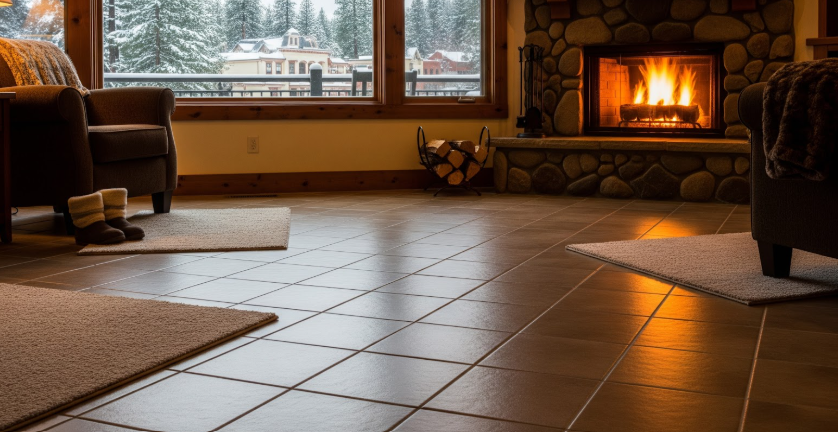
Why Tile Floors Feel Cold During Nevada City Winters
Tile is a favourite in many Nevada City homes because it’s durable, stylish, and easy to maintain. But when winter rolls in and temperatures drop, tile floors can feel much colder underfoot compared to other flooring options. Homes in Nevada City often experience quick temperature swings, chilly mornings, and damp winter air, which makes tile surfaces lose warmth faster than wood or carpet.
Understanding why tile feels cold is the first step to making your home more comfortable. Tile naturally absorbs and releases heat quickly, so without added insulation or warming methods, it reflects the cool indoor air during winter. If you love the practical beauty of tile but want a cozier feel during colder months, there are several smart, effective ways to make your floors noticeably warmer and more enjoyable.
Many local homeowners already trust Premier Flooring Center for flooring upgrades and seasonal comfort solutions. With a little planning, your tile floors can stay warmer all winter long without sacrificing the durability and easy-clean benefits that tile is known for.
The Importance of Proper Underlayment for Warm Tile Floors
One of the most effective ways to increase warmth is choosing the right underlayment before tile installation. Many older Nevada City homes were built without proper insulating layers beneath the tile, which allows cold from the subfloor to transfer straight to the surface.
A high-quality insulating underlayment helps reduce this transfer and keeps heat contained within the flooring system. Cork, foam, or specialised thermal underlayments can help provide a buffer between your tile and the cold subfloor materials beneath. Homes built on concrete slabs especially benefit from this added layer of insulation.
If you’re renovating or upgrading your floors, selecting a professional installation with proper underlayment can make a noticeable difference in warmth and long-term comfort. Those exploring new surfaces can look at tile flooring options to understand which materials and installation methods support better heat retention in cold-weather environments.
Using Radiant Heating Systems for a Warm, Comfortable Feel
Radiant heating systems are one of the most effective ways to warm tile floors during Nevada City winters. These systems sit beneath the tile and distribute an even layer of warmth across the entire surface. This gives you a comfortable, spa-like feel every time you step into the room.
Electric radiant heating mats are the most common solution for residential tile installations. They can be placed under bathroom tiles, kitchen tiles, or anywhere you want to add warmth. Hydronic radiant systems circulate warm water through tubes beneath the floor, providing an energy-efficient option for larger spaces.
Radiant heat offers an advantage many homeowners appreciate: it warms the floor directly rather than relying on heated air to warm the room. This prevents cold-spot problems and maintains a consistent feeling of comfort even on the coldest mornings. While radiant heating adds to installation cost, the long-term comfort makes it a worthwhile investment for many Nevada City families.
Sealants and Grouts That Help Retain Heat Better
Sealants protect your tile floor from moisture, spills, and wear—but they also play a role in heat retention. A well-sealed, properly grouted tile surface is less likely to absorb cold air and can feel slightly warmer underfoot.
Homeowners often overlook grout maintenance, but cracked or old grout can make tiles feel colder as drafts or moisture seep through tiny gaps. Regrouting or resealing the floor helps preserve temperature consistency and extend the tile’s lifespan.
A high-quality sealant also creates a smoother surface that feels less icy to the touch. While sealants won’t heat the floor on their own, they help maintain warmth when combined with other solutions.
Warm-Up Solutions That Don’t Require Renovation
If your tile floors are already installed and you’re not planning a renovation, several simple, practical options can help you stay warm throughout the winter:
Add area rugs and runners
Placing rugs in high-traffic areas, near sinks, or beside the bed creates soft, warm landing spots and reduces exposure to cold tile.
Use thicker, insulating rug pads
A quality rug pad adds both comfort and warmth, especially on concrete-slab homes.
Rely on radiant space heaters or baseboard heating
Supplemental heat sources that warm the room’s air can help reduce how cold the tile feels.
Wear thermal slippers or cushioned socks
A simple but effective way to stay comfortable during Nevada City’s coldest months.
These smaller adjustments provide warmth without construction and allow homeowners to customise comfort levels in each space.
Optimising Your Home’s Temperature and Humidity
In Nevada City, winter air can fluctuate between dry and damp. Both extremes affect how cold tile surfaces feel.
Keeping your home at a consistent temperature makes a notable difference. Avoid letting temperatures drop too low overnight, as tile floors take longer to warm back up in the morning.
Humidity control is also important. Dry indoor air can make tile feel sharper and colder underfoot, while overly damp conditions can cause the tile to emit a clammy sensation. Using a humidifier helps maintain balance during the dry parts of winter.
These environmental adjustments may seem small, but together they contribute to a noticeably more comfortable walking surface.
How Professional Installers Improve Tile Warmth
A flooring professional understands how to combine materials and methods that help tile floors stay warmer throughout winter. They examine the subfloor, moisture level, insulation needs, and room layout to design a system that maintains comfort beyond aesthetics.
Professionals use levelling compounds, moisture barriers, premium underlayments, and heat-friendly installation techniques. Their approach ensures your tile sits evenly, stays firmly secured, and doesn’t absorb unnecessary cold from the subfloor.
Many Nevada City homes have unique floor plans or were built decades ago, making professional expertise especially helpful. Old subfloors can hold cold differently, and without proper preparation, tile floors installed on these surfaces feel much colder.
If you’re unsure about the condition of your subfloor or need guidance on warming solutions, local flooring experts can help evaluate your space and point you toward the right approach.
For tailored advice or to speak with a specialist about warming your tile floors, you can always get in touch for additional support.


