

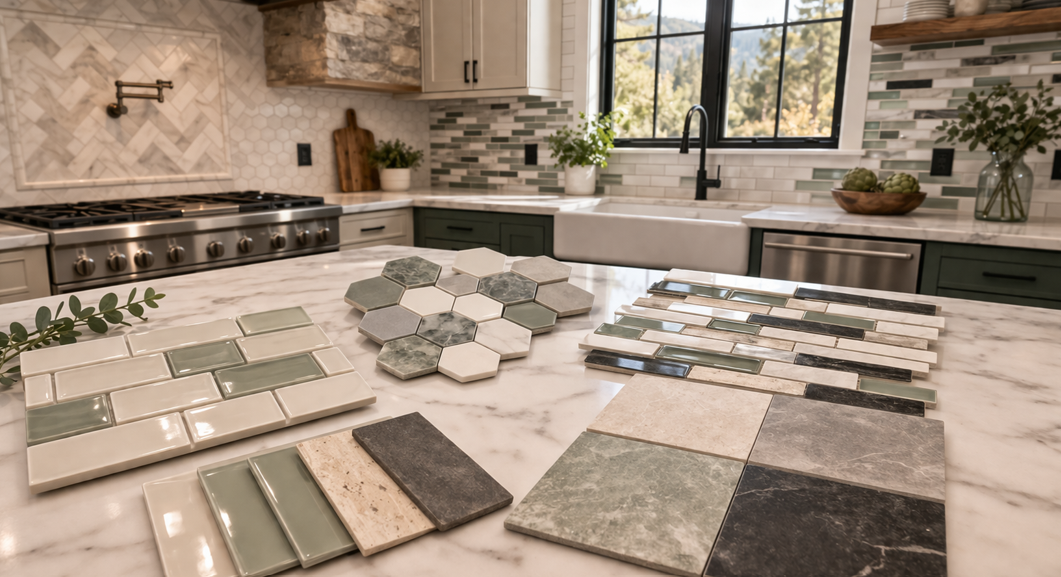
Creating a Kitchen That Feels Cohesive and Stylish
Designing a kitchen in Grass Valley is about more than just choosing materials—it’s about creating a space that feels warm, welcoming, and uniquely yours. One of the most impactful ways to achieve that is by thoughtfully mixing and matching tile colours.
Whether you’re updating a cosy farmhouse-style kitchen or refreshing a modern open-plan space, the right combination of tile colours can completely transform the look and feel of your home. The key is finding balance—bringing together tones, textures, and finishes in a way that feels intentional rather than overwhelming.
At Premier Flooring Center, homeowners are guided through these design decisions every day, helping them create kitchens that feel both beautiful and functional.
In this guide, you’ll learn how to confidently combine tile colours like a professional, using practical tips that work perfectly for Grass Valley homes.
Why Mixing Tile Colours Works So Well in Kitchens
Kitchens are naturally busy spaces, and layering colours can help create depth and visual interest without making the room feel crowded. When done thoughtfully, mixing tile colours enhances both style and functionality.
In Grass Valley homes, where natural surroundings often influence interior design, combining colours allows you to reflect those outdoor tones inside—creating a space that feels connected and grounded.
Here’s why mixing tile colours is such a popular approach:
Adds depth and dimension to your kitchen
Helps define different areas within the space
Creates a more personalised and stylish look
Instead of relying on a single tone, mixing colours gives you the freedom to design a kitchen that feels dynamic while still maintaining a cohesive feel.
Start with a Strong Base Colour
Every well-designed space begins with a foundation. When mixing tile colours, your base colour acts as the anchor that ties everything together.
Choose a Neutral Foundation
Neutral tones like soft greys, warm beiges, or classic whites provide a versatile starting point. These colours work beautifully in Grass Valley kitchens, complementing both rustic and modern styles.
Build Around Your Existing Elements
Think about your cabinets, countertops, and overall colour scheme. Your base tile colour should enhance these features rather than compete with them.
Keep It Balanced
A strong base colour ensures that additional tones feel intentional rather than random. It creates a clean, structured look that allows other design elements to shine.
By starting with a reliable foundation, you set yourself up for a design that feels cohesive from the very beginning.
Add Contrast for Visual Interest
Once you’ve established your base, introducing contrast brings energy and personality into the space.
Pair Light and Dark Tones
Combining lighter tiles with darker accents creates depth and keeps the design from feeling flat. For example, a light backsplash paired with darker floor tiles adds a sense of balance.
Use Accent Colours Thoughtfully
Accent colours don’t need to dominate the space. Small touches—like a patterned tile section or a feature strip—can make a big impact without overwhelming the design.
Highlight Key Areas
Contrast works especially well when used to draw attention to specific parts of the kitchen, such as:
Backsplashes
Kitchen islands
Feature walls
This approach creates a layered, professional look that feels both stylish and functional.
Mix Finishes and Textures for a Designer Look
Colour is only part of the equation. Texture and finish play a major role in how your kitchen feels.
Combine Matte and Gloss Finishes
A mix of finishes adds subtle variation and keeps the design visually engaging. Glossy tiles reflect light, while matte tiles create a softer, more grounded feel.
Introduce Natural Textures
Incorporating tiles that mimic natural stone or wood adds warmth and character—perfect for Grass Valley homes where natural aesthetics are often a key design influence.
Keep It Cohesive
Even when mixing textures, aim for a consistent colour palette. This ensures the overall look remains polished and intentional.
Exploring different styles of tile flooring can help you find combinations that bring both texture and colour together seamlessly.
Use Patterns Without Overcrowding the Space
Patterns can elevate your kitchen design, but the key is using them in a way that enhances the space rather than overwhelming it.
Choose One Feature Pattern
Instead of using multiple bold patterns, focus on one standout area—such as a backsplash or feature wall. This keeps the design clean and visually appealing.
Balance with Simpler Tiles
Pair patterned tiles with more subtle options to maintain balance. This allows the pattern to stand out without competing for attention.
Think About Scale
Larger patterns can make a space feel more open, while smaller patterns add detail. Choosing the right scale helps create the effect you’re aiming for.
With the right approach, patterns become a highlight rather than a distraction.
Coordinate with Cabinets and Countertops
Your tile choices should work harmoniously with the rest of your kitchen elements.
Complement Existing Colours
Look for tones that enhance your cabinets and countertops. This creates a seamless flow throughout the space.
Avoid Clashing Finishes
Consistency in undertones—whether warm or cool—helps maintain a cohesive look.
Create a Unified Design
When all elements work together, your kitchen feels thoughtfully designed and easy to enjoy.
Taking the time to coordinate these features ensures your tile choices feel intentional and well-balanced.
Practical Tips for Grass Valley Kitchen Design
Designing for Grass Valley homes often means balancing style with practicality.
Consider Natural Light
Kitchens with plenty of natural light can handle darker tones, while smaller or shaded spaces benefit from lighter colours.
Think About Daily Use
Choose combinations that not only look great but also suit your lifestyle. Durability and ease of maintenance play an important role.
Reflect Local Style
Many Grass Valley homes embrace a blend of rustic charm and modern comfort. Mixing tile colours allows you to capture that balance beautifully.
By keeping these local factors in mind, you create a kitchen that feels both stylish and practical.
Common Mistakes to Avoid When Mixing Tile Colours
Even great ideas can benefit from a bit of guidance. Avoiding a few common pitfalls helps keep your design on track.
Using Too Many Colours
Too many competing tones can make the space feel busy. Stick to a cohesive palette for the best results.
Ignoring Undertones
Mixing warm and cool tones without intention can disrupt the overall look. Pay attention to how colours interact.
Overusing Patterns
Patterns are most effective when used sparingly. Too many can take away from the design rather than enhance it.
Quick reminders:
Keep your palette focused
Balance bold elements with neutral ones
Let one feature stand out
These simple considerations help you achieve a polished, professional result.
How Professional Design Support Elevates Your Kitchen
While mixing tile colours can be an enjoyable process, having expert guidance adds confidence and clarity.
Design professionals help you:
Visualise combinations before committing
Select materials that suit your space
Create a cohesive, well-balanced design
With the right support, the entire process feels smooth and rewarding.
Bringing Your Kitchen Vision to Life
Mixing and matching tile colours is one of the most effective ways to create a kitchen that feels truly your own. With the right balance of tones, textures, and finishes, you can design a space that feels both stylish and comfortable.
By starting with a strong base, adding thoughtful contrast, and keeping everything cohesive, you achieve a look that stands the test of time.
If you’re ready to explore your options or want expert guidance, feel free to we are here to help. A knowledgeable team is always ready to help you bring your kitchen vision to life.


