

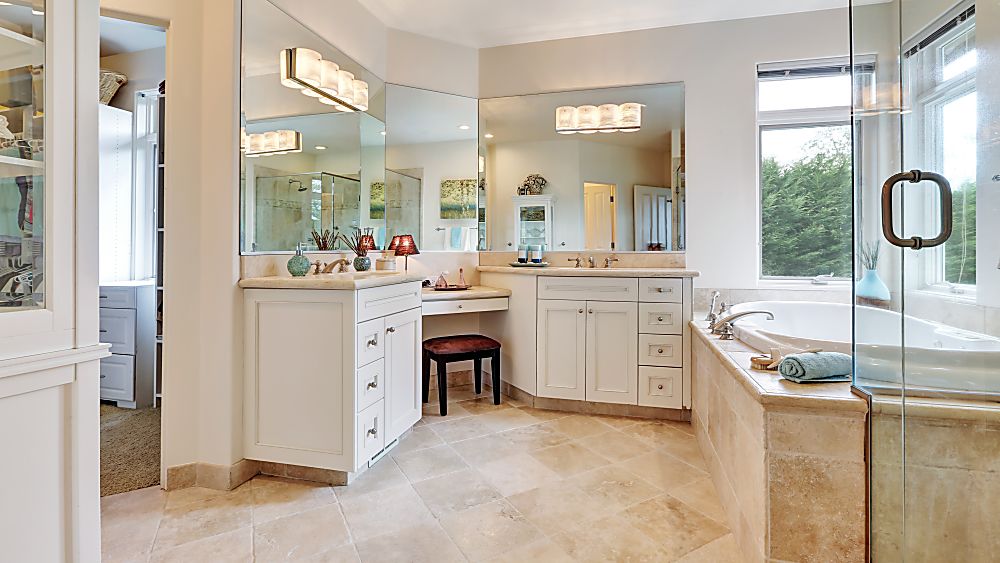
You wake up on a crisp January morning in the Sierra Foothills. Outside, frost glazes the pine needles and a winter storm dusts the upper ridges with fresh snow. Inside, stepping barefoot onto an unheated tile floor in your bathroom or kitchen delivers an immediate, jarring shock to your system. While tile is the most durable choice for handling foothill moisture, tracked-in red dirt, and muddy boots, bare ceramic or porcelain naturally stays cold to the touch.
That cold surface does not mean you have to give up the elegance and resilience of tile. By pairing your new tile installation with an electric radiant floor heating system, you can turn your coldest spaces into the most comfortable rooms in your home. At Premier Flooring Center, our employee-owned team has helped foothill residents create warm, dependable living environments since 1990. We promise you will see the advantage instantly. Here is why radiant floor heating under tile is an essential winter investment for our foothill climate.
Why Sierra Foothills Winters Demand Radiant Floor Heating
Radiant floor heating warms your home from the ground up, delivering consistent, energy-efficient heat directly to your body rather than letting warmth escape to the ceiling.
Whether you live in Grass Valley, Nevada City, Penn Valley, or Auburn, foothill winter temperatures routinely dip below freezing. Many homes throughout Nevada County feature open-concept floor plans, vaulted cedar ceilings, or raised-foundation construction over unheated crawlspaces. These architectural designs often leave pockets of cold air lingering right along your floorboards.
When you rely exclusively on forced-air heating, hot air blows out of registers and rises directly to the ceiling. This leaves your living level uncomfortably cool while running your furnace constantly. Forced air also dries out indoor air and circulates dust, pollen, and woodstove particles. Radiant floor warming heats objects and people through gentle, continuous thermal energy. It warms your feet first, keeps comfort balanced at ground level, and operates completely silently without drafty blowers.
How Does Electric Radiant Heating Work Under Tile?
Electric radiant floor heating utilizes ultra-thin, durable heating cables placed inside an engineered uncoupling membrane directly beneath your tile. When powered, the cables gently warm the mortar bed and tile surface, which absorbs thermal energy and radiates it evenly upward into your room.
We specialize in industry-leading systems such as Schluter Ditra-Heat. This innovative system combines electric floor warming with complete subfloor uncoupling in a single layer. The heating cables snap directly into the circular stud pattern of the membrane without clips or fasteners. Because our installers lay cables on site, we can customize heat precisely where your feet land most, such as in front of the bathroom vanity, around a walk-in shower bench, or along your primary kitchen prep island.
The Critical Role of Uncoupling and Subfloor Protection
Foothill weather brings dramatic seasonal shifts in temperature and humidity. Between our hot, dry summer months and wet winter storms, your home's wood subfloors naturally expand, contract, and shift.
If you bond tile directly to plywood or standard backer board, that subfloor movement transfers straight into the rigid tile layer, causing cracked tiles and crumbling grout lines over time.
Schluter Ditra-Heat eliminates this risk by uncoupling the tile covering from the subfloor beneath. The engineered geometry of the membrane absorbs lateral subfloor movement while neutralizing shear stress. It also provides built-in waterproofing and vapor management. When our installers bed the membrane with high-performance ARDEX setting materials, your tile floor stays structurally stable, crack-free, and protected against moisture.
Why Tile and Radiant Heat Are the Perfect Match
Tile and radiant floor heating are natural partners because ceramic, porcelain, and natural stone provide outstanding thermal conductivity and heat retention.
Unlike plush carpet or thick hardwood, which act as thermal insulators that slow heat transfer, tile absorbs heat rapidly and stores it within its physical mass. This thermal mass effect means your floor continues to radiate gentle warmth across your room even after the thermostat cycle shuts off.
Warmed tile also helps you manage real-world foothill winter challenges. When you walk into your mudroom or entryway in Cedar Ridge, Union Hill, Glenbrook, or Sherwood Forest after a wet afternoon outdoors, heated tile quickly evaporates damp footprints, melting snow, and rain runoff. Combined with tile's natural resistance to foothill red clay and pine sap, your entryway stays clean, dry, and safe underfoot.
Key Considerations Before Installing Heated Tile Floors
To get the best performance and longest lifespan from your radiant floor heating project, keep these core factors in mind:
Subfloor Preparation and Setting Mortars
A reliable heated floor starts with a flat, structurally sound foundation. Any dips or movement in the subfloor can stress heating cables and compromise tile adhesion. We inspect, level, and prepare your subfloor using premium ARDEX patching and self-leveling compounds alongside engineered thin-set mortars formulated specifically for heated membrane assemblies.
Smart Programmable Thermostat Controls
You do not need to keep your heated floors running all day. With a Schluter Ditra-Heat smart WiFi thermostat, you can program the system to warm your floors 30 minutes before your morning alarm and lower the temperature while you are at work. You can control the system directly from your smartphone, keeping energy usage low while ensuring maximum comfort when you need it.
Strategic Cable Layout
Radiant heating cables can be customized to match your room layout, but they should never run beneath permanent fixtures like solid vanities, built-in cabinets, or toilets. Careful layout planning ensures you only heat open walking areas, maximizing energy efficiency and protecting your cabinetry from trapped heat.
Professional Ohm Testing During Installation
Electric heating cables must undergo careful electrical resistance testing with an ohm meter at three distinct milestones: before installation, after embedding in the membrane, and after the tile mortar cures. This testing guarantees the heating element is fully intact before the floor is sealed. Because our team is employee-owned, our installers take personal responsibility for every technical step.
Frequently Asked Questions About Radiant Floor Heating
How much does radiant floor heating cost to operate?
Operating costs are surprisingly low because electric radiant systems warm targeted zones and run on programmable timers. For a standard foothill bathroom running a few hours each morning and evening, the electrical cost is typically just pennies per day.
Can radiant floor heating be installed under existing tile?
No, radiant cables cannot be added underneath existing tile. The heating cables and uncoupling membrane must be embedded into fresh mortar directly beneath the tile. Adding floor heat requires removing your current flooring, preparing the subfloor, laying the heating system, and installing new tile.
What tile styles work best with floor warming systems?
Porcelain and ceramic tiles are the top choices due to their high density, low water absorption, and superior heat transfer. Natural stone, including slate, granite, travertine, and marble, also performs exceptionally well over radiant heating cables.
Bring Lasting Winter Warmth to Your Foothill Home
Foothill winters bring crisp mountain air and beautiful rainy mornings, but cold floors should never compromise your indoor comfort. Whether you are remodeling a primary bathroom, updating your kitchen, or finishing a high-traffic mudroom, radiant floor heating under tile delivers unmatched luxury and lasting performance.
At Premier Flooring Center, our commitment to you is that your satisfaction is our number one priority. Floors you will love from a team you trust since 1990 is our ongoing promise. Stop by our Grass Valley showroom and on-site Outlet Center to explore our wide selection of ceramic, porcelain, and stone tiles, alongside complete Schluter Ditra-Heat systems and ARDEX installation supplies. You can also reach out to schedule a convenient Shop at Home consultation or request your free in-home measurement and estimate. Our employee-owned team proudly serves you across Grass Valley, Nevada City, Penn Valley, Auburn, Glenbrook, Union Hill, Cedar Ridge, Sherwood Forest, and all of Nevada County, CA.


